
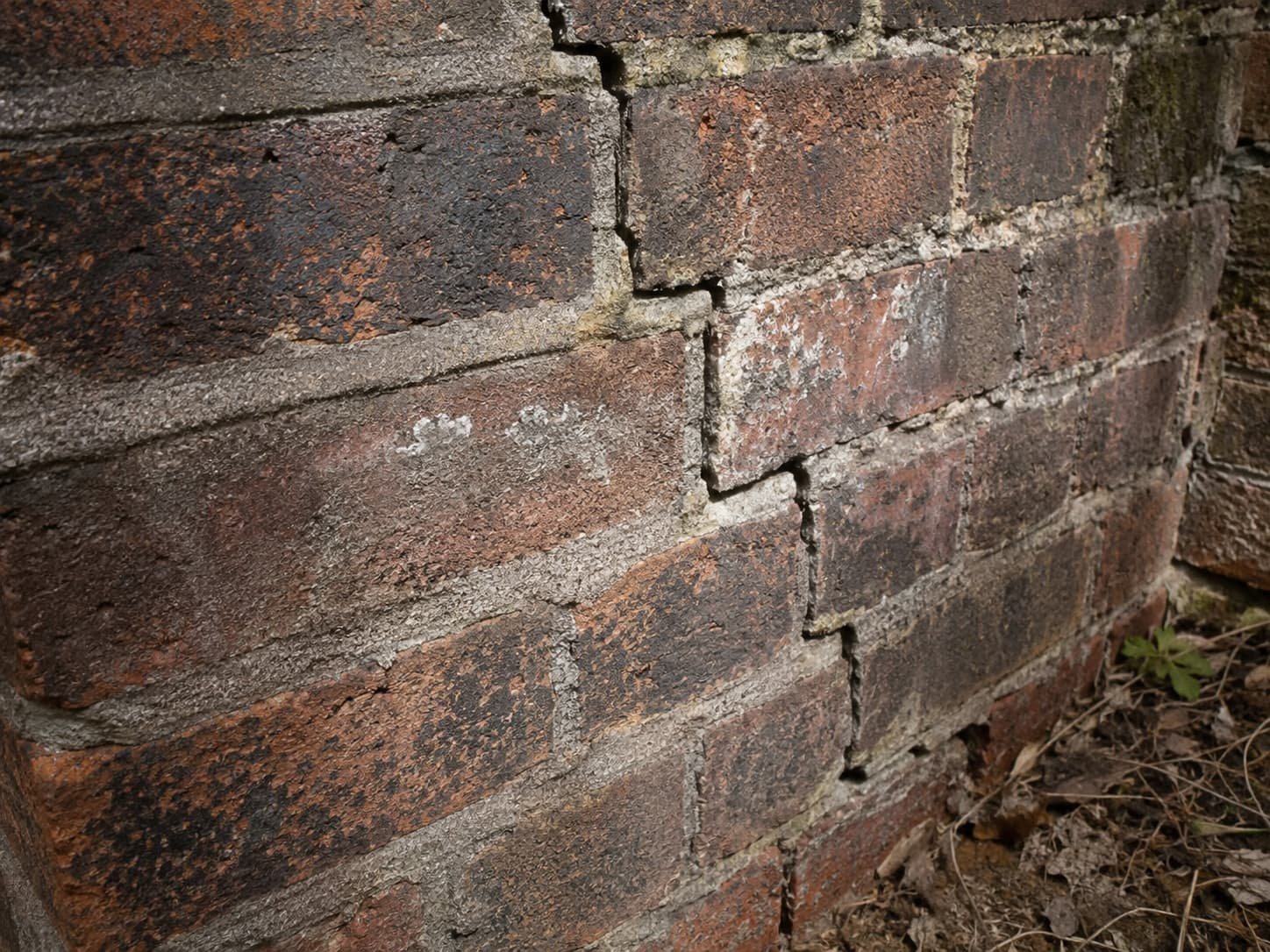
Foundation cracks are one of the most common things Lafayette homeowners notice, and also one of the most misunderstood. Some foundation cracks are completely harmless and others are an early warning of serious structural movement, and from the outside they can look surprisingly similar. Knowing the difference matters, because the ground under Acadiana, with its expansive clay and high water table, produces both kinds. This guide explains which foundation cracks are worth worrying about, which are not, and what to do when you find one.
Why Foundation Cracks Happen Here
Almost every crack traces back to movement, and in our area movement traces back to soil. Expansive clay swells when it takes on water and shrinks when it dries, and that constant cycle pushes and pulls on slabs, footings, and walls. The high water table keeps the ground soft, and seasonal wet and dry swings flex a foundation year after year. Over time, that flexing shows up as cracks. The question is never really whether a Lafayette home will get cracks, but which ones mean trouble and which are simply part of living on Acadiana soil.
Cracks That Are Usually Harmless
Not every crack is a structural alarm. Thin hairline cracks in drywall and plaster, especially above doors and windows, are often just the house settling and the materials reacting to humidity. Fine cracks in a concrete slab surface, narrower than about an eighth of an inch and not getting wider, are common and frequently cosmetic. Small vertical cracks in a foundation wall can be normal curing or minor settling. These are worth keeping an eye on, but on their own they rarely signal a serious problem. The key is whether they stay stable or keep growing over time. It also helps to note where in the home the crack appears, since a crack low on an exterior foundation wall tells a different story from one running across an interior ceiling.
Cracks That Signal Real Trouble
Other foundation cracks deserve immediate attention. Horizontal cracks running across a foundation wall are among the most serious, because they point to soil pressure bending the wall inward, a problem covered in depth on our bowing wall repair page. Stair-step cracks through brick or block, cracks wider than a quarter inch, cracks that are visibly growing, and cracks paired with sticking doors, sloping floors, or gaps at the baseboards all suggest active structural movement. Diagonal cracks running from the corners of doors and windows are another red flag. When cracks come with these other symptoms, the foundation is moving and the cause needs to be found before the damage spreads.
What to Do When You Find a Crack
The smartest response to a worrying crack is not to panic and not to ignore it, but to get it assessed. Measuring a crack and watching whether it grows over a few weeks tells you something, but only a professional inspection can identify what is driving it and whether the structure is at risk. Catching active movement early keeps the repair smaller and less expensive, while waiting lets the underlying problem and the damage both grow. A crack that looks minor today can widen quickly once the next wet or dry season sets in.
If you have spotted foundation cracks that concern you, we can tell you exactly what they mean. We measure the cracks, assess the movement behind them, and give you a clear written estimate before any work begins, and the inspection is always free. Our main foundation repair page covers the full range of fixes, so you can see how a crack like yours is typically addressed.