
A wet basement is rare in Lafayette, but it is not unheard of, and the homes that do have a basement or any below-grade space face a real fight against water here. Even where there is no true basement, the same warning signs show up in sunken rooms, lower-level slabs, and damp crawl spaces. Spotting the signs of a wet basement early, before mold sets in or the structure is affected, can save a Lafayette homeowner a great deal of money and worry. This guide covers what to watch for, what causes it, and what it means for your home.
Why Lafayette Sees Water Where It Should Not
The reason is the same one behind most foundation trouble here: a high water table and ground that stays saturated for much of the year. When the soil around a below-grade wall is full of water, it presses against that wall and forces moisture through any crack, joint, or porous spot it can find. Our heavy rainfall and frequent flooding only add to the pressure. A wet basement in Lafayette is almost never bad luck; it is water behaving exactly as our soil and climate push it to. Understanding that cause is the first step to keeping the space dry for good.
The Warning Signs to Watch For
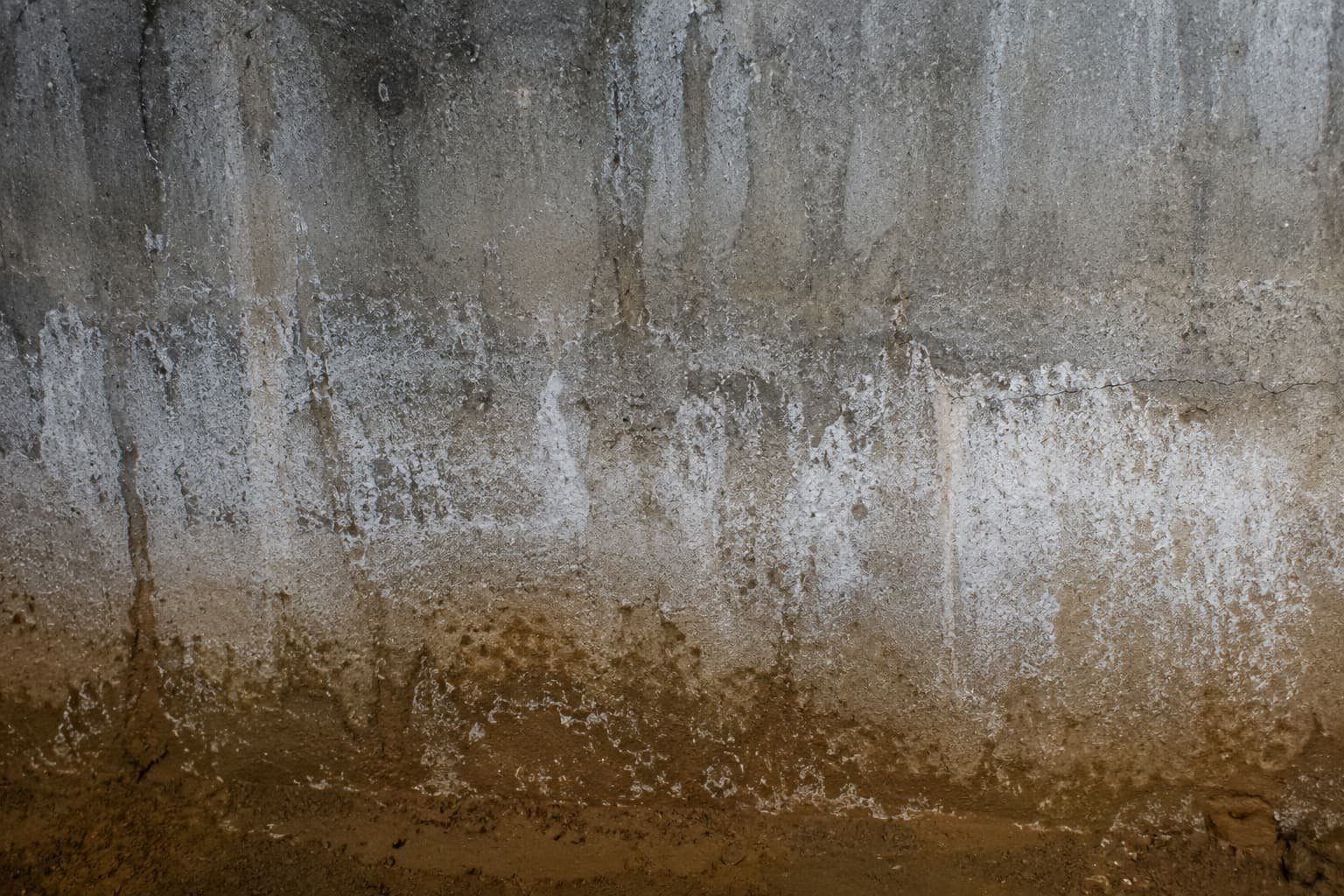
A wet basement announces itself in several ways. Damp or discolored walls and floors are the most direct sign. White, chalky efflorescence on concrete or block is mineral residue left behind as water moves through the masonry. A persistent musty or earthy smell points to moisture and possibly mold, even when you cannot see standing water. Other signs include peeling paint, bubbling finishes, rust on metal fixtures, pooling water after rain, and condensation on walls or pipes. Visible mold, especially in corners and along the floor line, is a clear signal that the space has a moisture problem that needs addressing before it spreads.
Why a Wet Basement Is More Than a Nuisance
Standing water and chronic damp do real harm over time. They rot wood, corrode metal, ruin stored belongings and finishes, and create ideal conditions for mold. The mold matters beyond the basement itself, because moisture and spores rise into the air of the home above, which is why the EPA treats below-grade moisture control as a health issue and not just a building one. Left alone, persistent water can also undermine the soil and contribute to the kind of foundation movement that turns a moisture problem into a structural one. What starts as a damp corner can end up affecting the whole home if it is ignored long enough.
What to Do About a Wet Basement
The fix is never a single coat of sealant. Real water control manages moisture from both sides, with exterior drainage and grading to move water away from the foundation, interior drainage and a sump system to capture what gets through, and sealing of cracks and porous surfaces. The right combination depends on how water is entering, which is detailed on our basement waterproofing page, and damp pier-and-beam spaces are addressed on our crawl space repair page. Because our water table never really lets up, the approach has to be built for Lafayette conditions, not borrowed from a drier climate where a basement might only see water a few times a year.
If you are seeing any signs of a wet basement or a damp below-grade space, we can find the source and stop it. We inspect the space, identify how water is getting in, and give you a clear written estimate before any work begins, and the inspection is always free.